
IMPACT
Stability + Dignity
We are committed to strengthening communities and creating lasting opportunities for the people who call them home. Through our work, we’re building more than housing — we’re building stability, dignity, and connection.
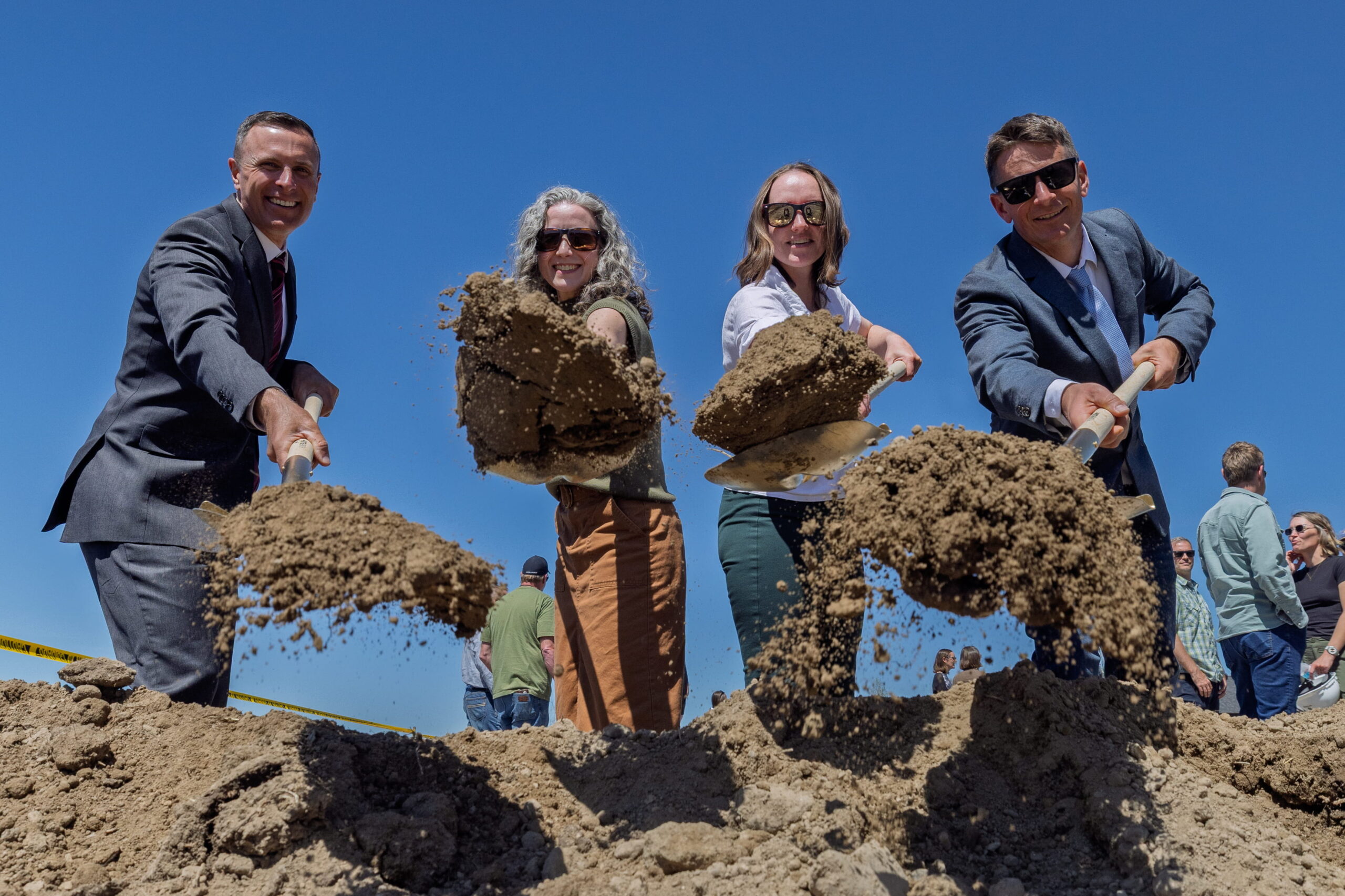
Who We Serve
The need for affordable housing is growing nationwide — a reality reflected in countless studies, reports, and policy analyses. Beyond the statistics are the real people who sustain our communities: teachers, healthcare professionals, first responders, service workers, and others whose contributions are essential to everyday life.

Household 1
Job: Teacher
At Bend-La Pine School District
Salary: $47,050
(An entry level teacher at Bend-La Pine School District makes 47,050 per BLS 2022, MSA: Bend, SOC Codes: 25-2011, 25-2012, 25-2021, 25-2022, 25-2031, 27-3098, 25-9041)

Household 2
Job: Park Technician
At Bend Parks and Recreation
Salary: $53,857
(There are 30 job titles at Bend Parks and Recreation with starting salary less than $54,900 per Bend Park & Recreation District Job Descriptions. Web accessed 10/01/2025)

Household 3
Job: Permit Technician
At City of Bend
Salary: $56,761
(There are 20 job titles at the City of Bend with a starting salary less than $61,800 a year per City of Bend – COBEA Salary Schedule Effective 06/25/2025)
Community Impact
With extensive experience and a proven track record, we deliver housing solutions across the country that meet both community needs and regulatory requirements.
Explore our current projects to see where we’re making a difference by hovering over the locations on the map.
States
LIHTC apartments
in total project volume
in LIHTC equity
in private debt financing
in community based funding
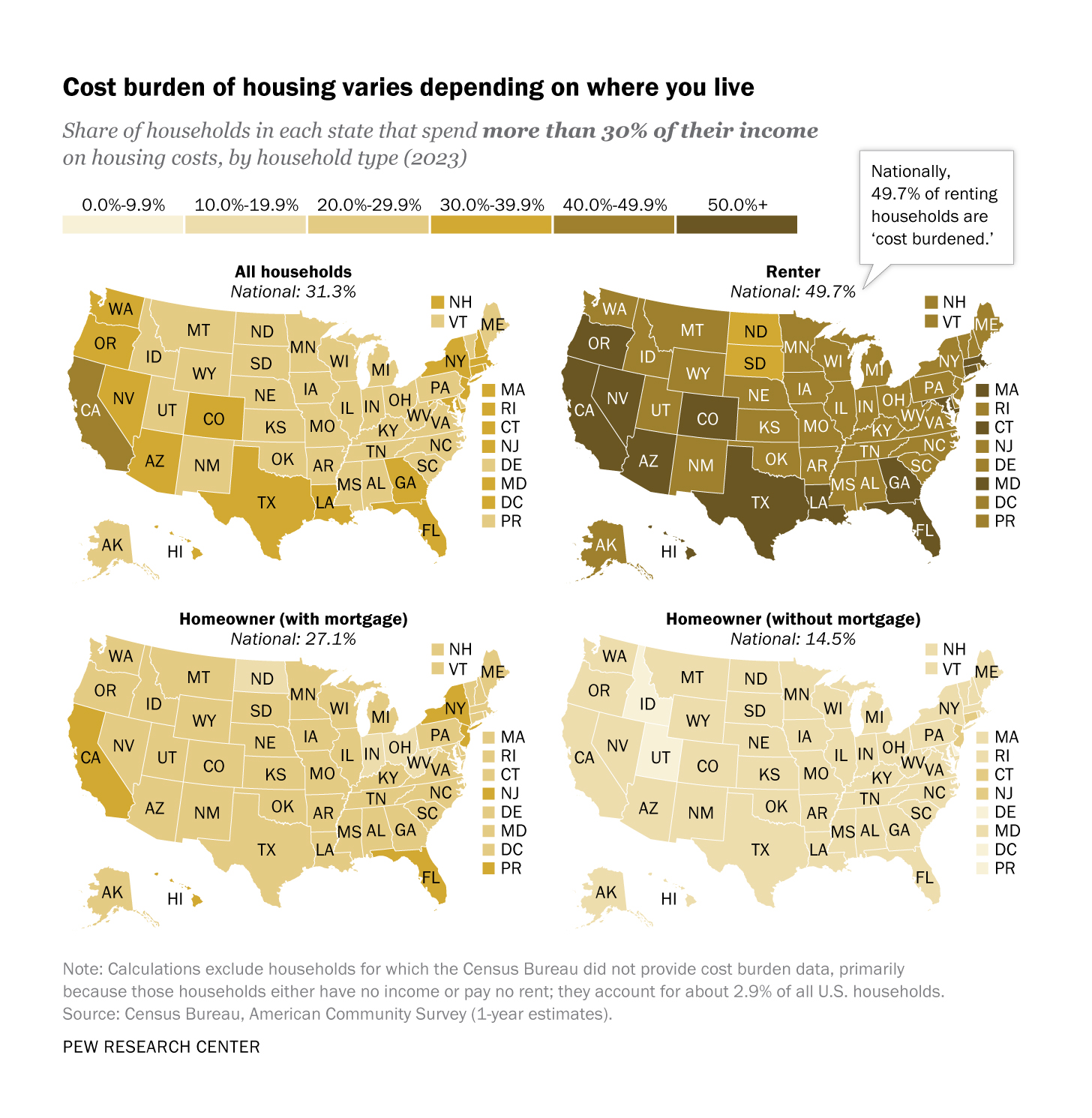
What Is Affordable Housing, and Why Does It Matter?
Affordable housing addresses the growing imbalance between household income and the cost of living — an imbalance that continues to expand across both urban and rural markets. As housing costs rise faster than wages, demand for rent-restricted housing increases substantially, creating an urgent need for solutions that balance fiscal responsibility with long-term community impact.
A central metric in determining affordability is the Area Median Income (AMI), as defined and published annually by the U.S. Department of Housing and Urban Development (HUD). AMI represents the midpoint of a region’s income distribution — meaning half of the households in a given metropolitan area or county earn more, and half earn less. HUD adjusts AMI data based on household size and local economic conditions to ensure regional accuracy.
Affordable housing programs, including the Low-Income Housing Tax Credit (LIHTC), use AMI to establish eligibility and rent limits. Typically, households earning 60% or less of AMI qualify for LIHTC housing, though certain developments target deeper affordability levels (e.g., 30%–50% AMI). Rental rates are calculated so that residents pay no more than 30% of their income toward housing costs, aligning with HUD affordability standards.
By aligning project design and financing with AMI-based thresholds, public-sector partners and developers can collaborate to produce housing that meets regulatory requirements, attracts diverse capital sources, and advances local housing goals. This framework supports equitable growth while delivering measurable, lasting benefits for communities.
Missoula Office
(406) 531-4745

Helena Office
(406) 422-6852
Missoula Office
234 East Pine Street
Missoula, MT 59802
(406) 531-4745